1. Cleanliness, Access & Uncluttering Storage
A marine surveyor can only inspect what is visible and accessible. Excess personal gear or dirty bilges can obscure structural defects or delay the survey process.
- Clear All Lockers & Storage Bilges: Remove personal items, water toys, extra lines, and loose gear from lazarettes, under-v berth storage, and lockers so structural bulkheads and hull stringers are fully visible.
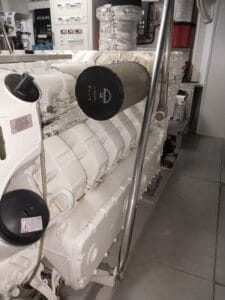
- Clean the Bilges & Engine Room: Ensure the bilges are dry and free of standing water, oil, or debris. Clean engine surfaces allow the surveyor to easily detect active oil, coolant, or fuel leaks.
- Unlock All Compartments: Ensure keys or padlocks for engine hatches, chain lockers, companionways, and storage cabinets are available or left unlocked prior to the surveyor’s arrival.
2. Document & Certificate Checklist
Having the vessel’s official paperwork organized and readily accessible saves time and establishes a clear administrative history for the surveyor and insurance underwriters.
- Vessel Registration & Ownership Title: Proof of legal registration, flag documentation, or deletion certificates.
- Maintenance & Service Records: Logbooks, recent engine service invoices, generator maintenance records, and haul-out history.
- Equipment Manuals & Schematics: Wiring diagrams, plumbing schematics, and operating manuals for onboard electronics and navigation systems.
- Safety & Regulatory Certificates: Valid life raft inspection certificates, fire extinguisher service tags, flares expiration dates, and radio licences (EPIRB/MMSI).
3. Preparing Systems for Operational & Sea Trial Testing
To thoroughly evaluate electrical, mechanical, and plumbing systems, the boat must be powered and commissioned prior to the inspection.
- Ensure Adequate Battery Charge & Shore Power: Verify that house and engine start batteries are fully charged and shore power cables are connected and functional.
- Fill Water & Fuel Tanks: Ensure there is sufficient fuel for engine testing and sea trials, as well as fresh water to test pressure pumps, head operations, and galley fixtures.
- Prepare Safety Gear: Lay out all life jackets, throwable devices, flares, bilge pumps, and fire extinguishers in a central, visible location for quick verification against ABYC and statutory safety standards.
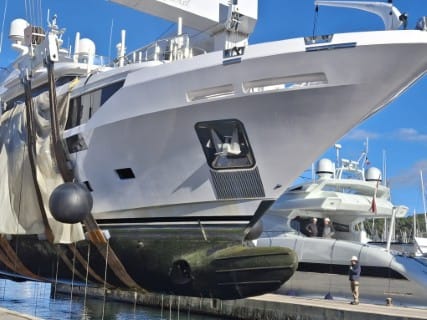
4. Haul-Out & Underwater Hull Preparation
If the survey includes an out-of-water inspection, coordinating logistics with the shipyard or marina haul-out crew in advance is essential.
- Schedule Yard & Travelift Logistics: Ensure the marina or shipyard is aware of the survey date and has scheduled the Travelift or crane operator for both haul-out and pressure washing.
- Pressure Wash the Bottom: Heavy marine growth, barnacles, and thick algae must be pressure-washed off the hull immediately upon hauling so the surveyor can inspect gelcoat integrity, osmosis blisters, or keel joint stress.
- Expose Underwater Running Gear: Ensure strainers, thrum-mats, zinc anodes, cutless bearings, rudders, and trim tabs are accessible and free of excess growth.
Frequently Asked Questions About Survey Preparation
Should the boat owner or buyer be present during the marine survey?
While owner or buyer attendance is welcomed during the final debrief or sea trial, it is generally recommended to give the marine surveyor uninterrupted space during the primary technical inspection. This allows the surveyor to focus on critical structural testing and safety checks without distraction.
What happens if an area of the boat is inaccessible during the survey?
If key areas—such as fuel tank tops, rudder posts, or structural bulkheads—are blocked by gear, screwed-down panels, or heavy equipment, the surveyor will list them as “uninspected” in the final report. This can result in insurance coverage conditions or requests for a follow-up inspection once access is provided.
Navigation & Related Links: